1st Nation Foundation · 1stnation.us

The ledger said one thing.
Your bloodline says another.

For generations, Afro-Indigenous people were written out of their own nations — reclassified on government rolls by clerks who never asked who they were, only looked at what they appeared to be. The record can be corrected. It starts with you.

They wrote “negro”
They wrote “colored”
They wrote “mulatto”
You are Indigenous
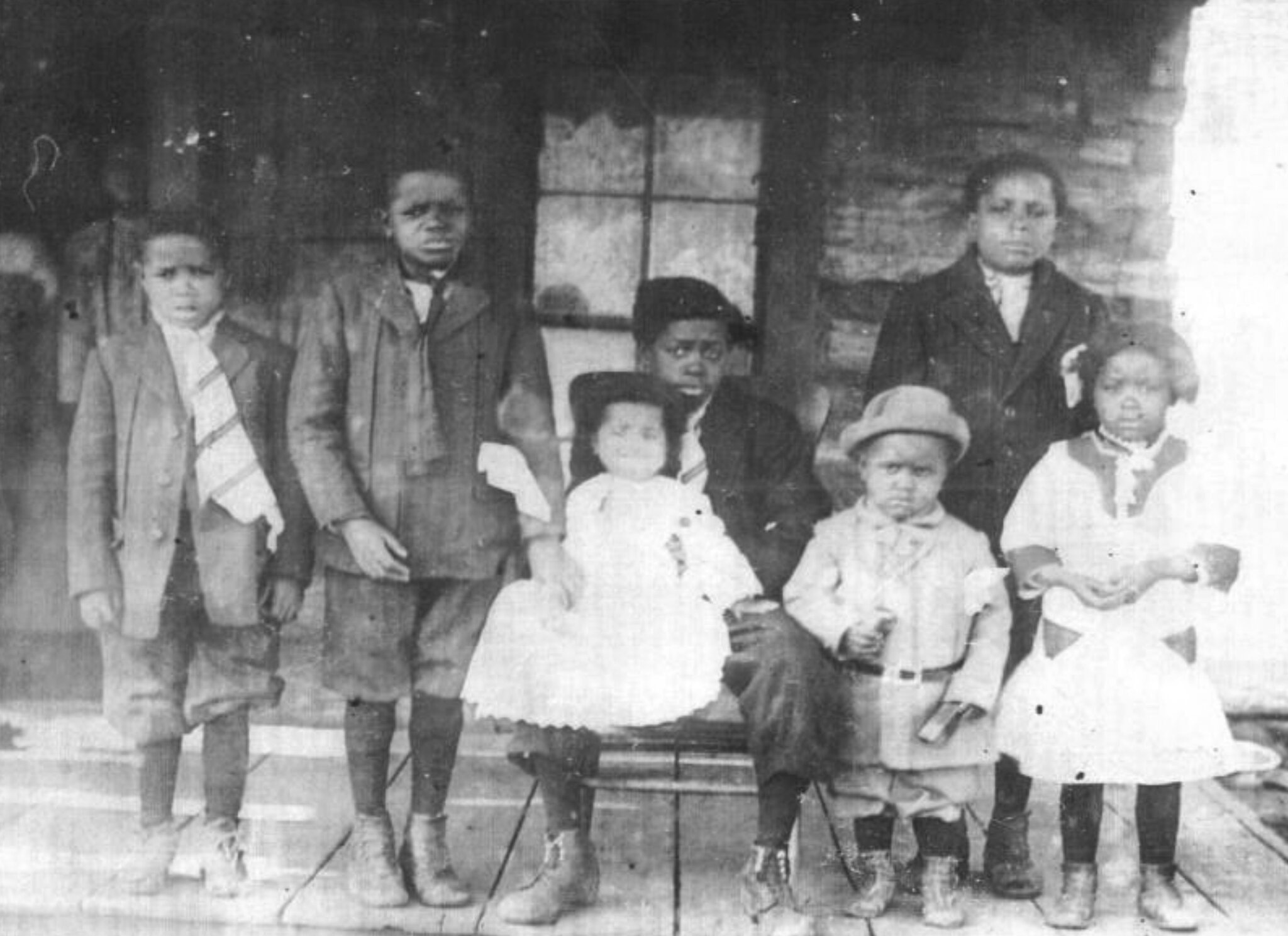
An Afro-Indigenous family photographed on a porch in Indian Territory in the early 1900s
A family of the Five Tribes era, Indian Territory, early 1900s — the generation the Dawes clerks sorted by sight.
Record 01

Our Position Is Not a Question

Very many Americans who carry the labels “Black,” “negro,” or “colored” on their family's paperwork are the descendants of the Indigenous, aboriginal peoples of this land. Those labels were not chosen — they were assigned. Assigned by enrollment clerks at the Dawes Commission who sorted families by skin tone instead of lineage. Assigned by registrars like Virginia's Walter Plecker, who rewrote birth certificates by the thousands. Assigned by census takers who marked down what they assumed, not what was true.

The 1st Nation Foundation exists for one purpose: to help you find your ancestors in the record, document your lineage, and reclaim the Indigenous identity that was taken from your family on paper. The misnomers placed upon us through the arbitrary reclassification mechanisms of the past do not have to be carried into the future.

Our scope is self-identification — the critical first step in any journey, and the one step that belongs entirely to you. No clerk, no commission, no council controls how you identify on your own records. Questions of tribal enrollment or citizenship are a separate and distinctly different matter, beyond the scope of this site. Identity comes first.

You are not what they wrote down. You are who your ancestors were.
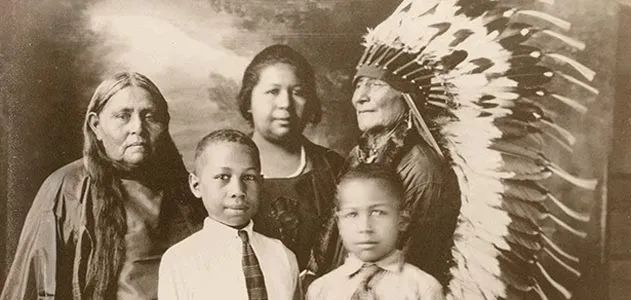
A multigenerational Afro-Indigenous family in a formal studio portrait, an elder wearing a feathered headdress
Three generations, one lineage. Family portraits like this survive in archives and shoeboxes across America.
Record 02

Three Things Every Descendant Should Know

The reclassification was real — and documented.

It happened in three ways, all in the same record. Some Indigenous people were reclassified through intermarriage erasure. Some were enrolled “by blood” on the Dawes Rolls and still labeled “colored” elsewhere because clerks couldn't reconcile dark-skinned Indians with their categories. And some belonged to aboriginal Black nations of this continent — the Yamasee and others — whose very existence the system worked to bury. Three doors to one truth.

Read the paper trail →

History is being corrected on the record.

Federal courts affirmed in 2017 that the Treaty of 1866 means what it says. The Cherokee Nation struck “by blood” from its constitution in 2021. The Muscogee (Creek) Nation's high court ruled likewise in 2025. These battles over enrollment are their own separate matter — but they prove the larger truth: the reclassifications of the past are being unwound.

See the modern fight →

The records are searchable — today, for free.

The Dawes Final Rolls are digitized and publicly searchable through the Oklahoma Historical Society. Enrollment cards and application packets hold names, family ties, and testimony your family may never have seen. The search takes minutes. The discovery can change everything.

Start your search →
“By choosing to exist as Black and Native and owning our dual identities, we are an affront to these very systems that seek to erase our Indigeneity.”
Smithsonian National Museum of the American Indian — “Ancestors Know Who We Are”
Record 03

We Have Always Been Here

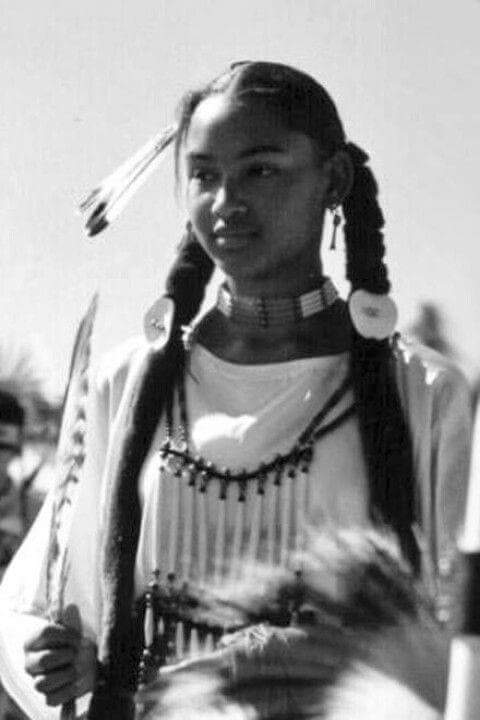
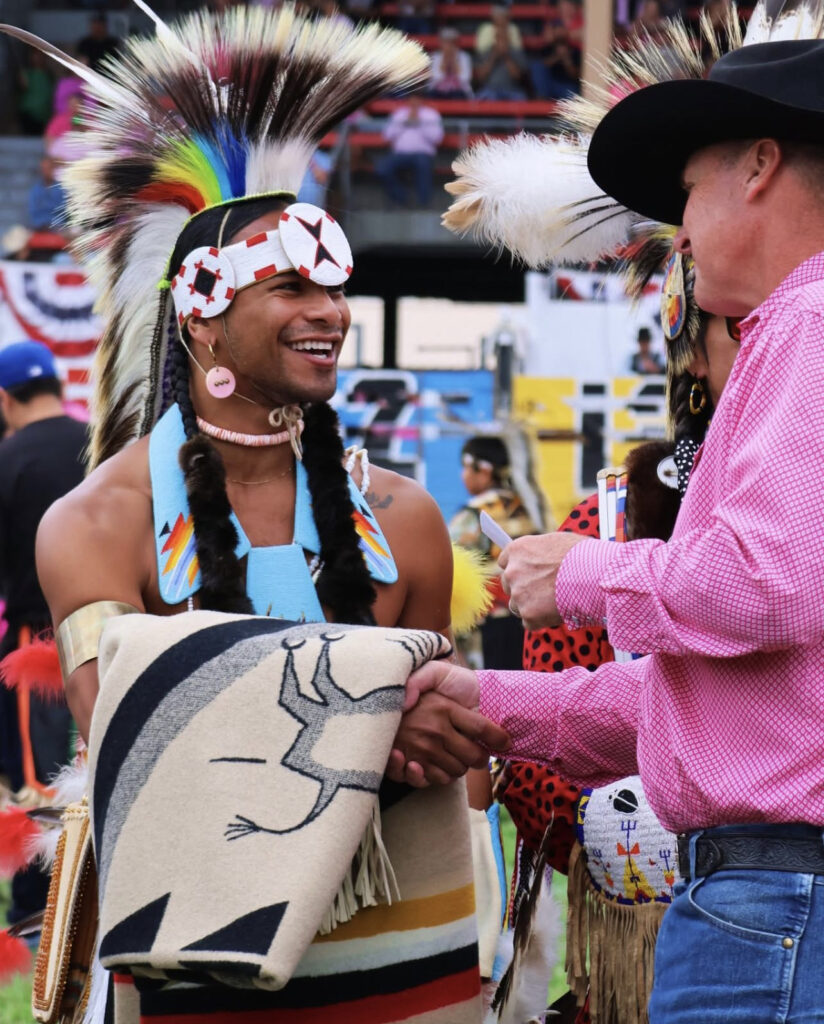
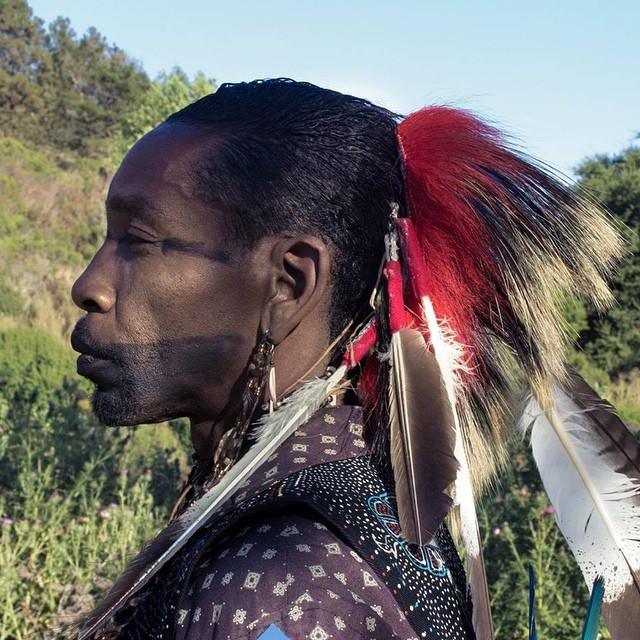
From the porches of Indian Territory to the powwow circles of today, Afro-Indigenous people have carried the culture forward — in regalia, in ceremony, in family. This is not a heritage being invented. It is a heritage being remembered.

Begin Today

Your ancestors are in the record. Go find them.

Search the Dawes Rolls now, or reach out to the 1st Nation Foundation for guidance on researching your lineage and taking the steps to re-identify appropriately.